


When Nigerians talk about japa, the conversation almost always circles the same four countries: the UK, Canada, the US, and sometimes Germany. Saudi Arabia rarely comes up, and when it does, it’s usually about work, not study. That gap is costing serious STEM students a genuinely fully-funded KAUST scholarship for Nigerian students that most people never think to look for.
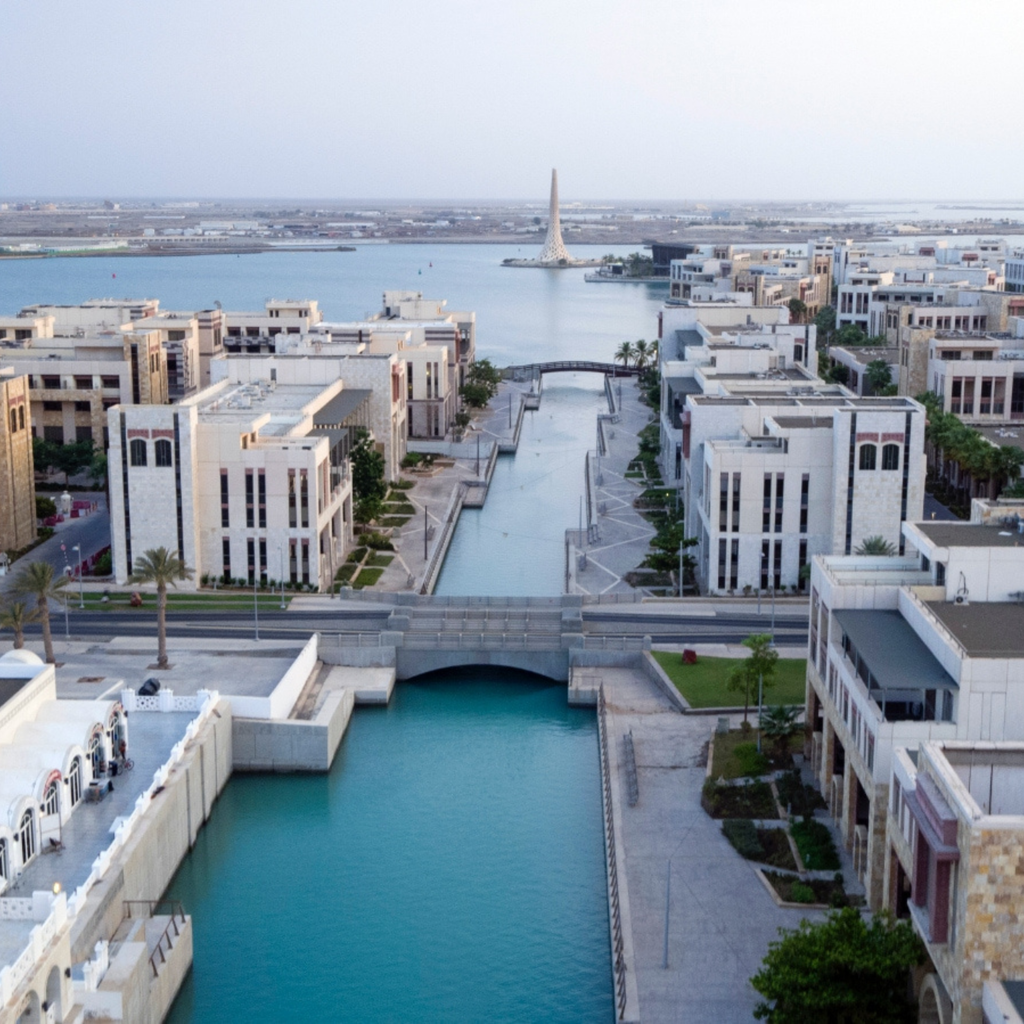
The King Abdullah University of Science and Technology, KAUST, sits on the Red Sea coast in a town called Thuwal, and it exists for one purpose: postgraduate research in science, technology, engineering, and mathematics: no undergraduate programs, no unrelated faculties. Just master’s and PhD students, drawn from more than 120 countries, doing research that gets funded, published, and in some cases spun directly into companies.
Here’s what a Nigerian student actually needs to know before applying.
What “fully funded” means at KAUST
Every student admitted full-time to a master’s or PhD program is automatically placed on the KAUST Fellowship; there’s no separate scholarship application to win, and no essay contest for funding after you’re already admitted. The Fellowship covers:
- Full tuition, for the entire duration of the program
- A monthly stipend, roughly USD 20,000 a year for master’s students and USD 25,000–30,000 a year for PhD students, depending on your program and progress
- On-campus housing, with utilities included
- Health insurance, renewed annually
- Relocation and travel support, including visa costs and a flight home every year
Independent estimates put the total value of this package at USD 70,000–80,000 a year. This isn’t a partial waiver or a “you might get lucky” assistantship; it’s the standard offer to every admitted student.
What you can actually study
KAUST organises its academic programs into a small number of divisions, all STEM-focused:
- Physical Science and Engineering (PSE); chemistry, chemical engineering, earth systems science and engineering (includes petroleum engineering and geosciences), materials science and applied physics, mechanical engineering
- Computer, Electrical and Mathematical Science and Engineering (CEMSE); computer science, electrical and computer engineering, applied mathematics and computational science, statistics
- Biological and Environmental Science and Engineering (BESE); plant science, bioscience, marine science, environmental science and engineering, bioengineering
Given Saudi Arabia’s geography, expect research strengths in areas such as desert agriculture, water sustainability, and marine biodiversity. The Red Sea, running along the campus, is home to some of the most studied coral reef systems in the world, which attracts significant marine science research funding.
KAUST has also built a strong reputation for turning research into commercial ventures: more than 30 active startups linked to the university have collectively raised over a billion dollars in investment, and the school has become the first Saudi institution to break into the QS World University Rankings global top 100, with particularly strong performance on research impact per faculty member, a sign that the research being funded here is actually getting used, not just published and shelved.
Who qualifies
You don’t need a UK, US, or Canadian degree; a Nigerian bachelor’s or master’s degree is accepted. A few things do matter:
- Age: applicants should normally be under 30 for a master’s degree and under 35 for a PhD at the point of enrollment.
- Academic record: KAUST’s official minimum is a 3.0 GPA on a 4.0 scale, but the competition is real; most admitted students score well above that.
- English proficiency: you’ll need IELTS (minimum 6.5 overall) or TOEFL iBT (minimum 81), unless you completed your degree at an accredited institution in the US, UK, Canada, Ireland, Australia, or New Zealand, in which case the requirement is waived regardless of your nationality. This is one area where KAUST doesn’t make exceptions for Nigerian applicants who studied locally, so budget time and money for the test early.
- Final-year undergraduates: if you’re in your third or fourth year with at least six semesters of transcripts, you can still apply and be considered for conditional admission.
The documents you’ll need
- Academic transcripts and degree certificate
- Statement of purpose/motivation letter
- CV
- Three recommendation letters, two from academic referees, one from a non-academic source (a supervisor, employer, or mentor)
- English proficiency test score (IELTS or TOEFL), unless exempted
After document review, expect up to three interviews, all conducted online: one with faculty in your research area, one with HR, and one with senior university leadership.
A route in if you’re not ready for a full degree yet
If a full master’s or PhD application feels premature, KAUST also runs a Visiting Student Research Program (VSRP). This research internship can run anywhere from one to six months, with travel costs and a stipend covered. It’s open to Nigerian applicants and offers a genuine opportunity to build a research relationship with a KAUST faculty member before applying to the full program, which can meaningfully strengthen a later application.
FAQ
Is Saudi Arabia safe and comfortable for international students?
KAUST’s campus was specifically designed as a self-contained international community; more than 60% of the student population is non-Saudi, drawn from over 120 countries. Also, English is the working language across campus. Facilities include housing, restaurants, a health clinic, gyms, sports fields, a hotel, and multiple libraries and student centres.
Do I need to speak Arabic?
No. English is the primary language of instruction and daily campus life, and most people you’ll interact with, students and staff alike, communicate in English by default.
What’s the difference between KAUST and universities in the UAE like Khalifa University?
Both offer strong funding packages, but KAUST’s documentation requirements are stricter and non-negotiable; for instance, an English proficiency certificate is required even to complete your application, whereas some comparable Gulf universities may admit first and request the certificate afterwards.
When should I apply?
KAUST typically opens applications months ahead of the Fall intake, with deadlines that shift slightly year to year, and they’re not always clearly publicised. This is one of the areas where working with an advisor pays off directly: we track the dates and requirements for the current cycle as they’re released, so you’re building your application against the real deadline, not an outdated one you found in an old blog post.
Thinking about a fully funded route into a STEM master’s or PhD? Our team helps Nigerian students like you apply for scholarships like this one, from figuring out whether KAUST or another destination fits your profile, right through to building your statement of purpose, prepping your recommendation letters, and submitting your application. Reach out and let’s get started.
Read our latest article here.
